

ABOUT Indigenous justice
lhacamˑúˑyumá simasak ‘We choose to heal’
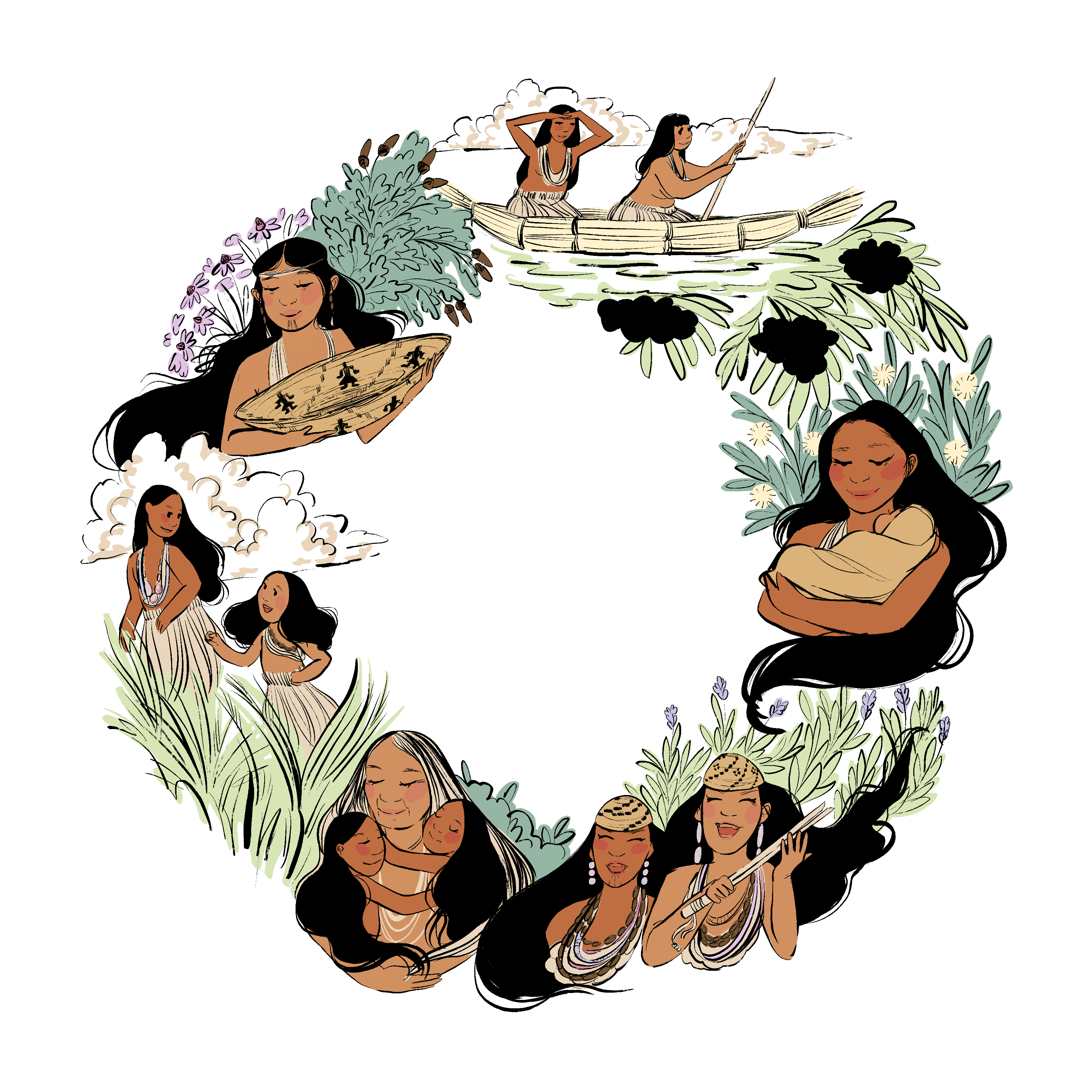
Artwork commissioned by Poyomi McDarment
Through Indigenous Justice, we are building a powerful movement of system-involved Native peoples inside and outside institutions working to end the centuries-long imprisonment of our people, ancestors, relatives, and land. We are working to end the incarceration of living native peoples in jails, prisons, and group homes across the state, to end the incarceration of our Salmon relatives impacted by dams on our rivers, and to end the incarceration of our ancestors' skeletons locked away in basements of universities. We are doing this through developing powerful indigenous leaders and communities and organizing with them to transform the systems, structures, and stories that keep us all imprisoned both physically and spiritually.
our founder: Morning Star Gali (Pit River Tribe)
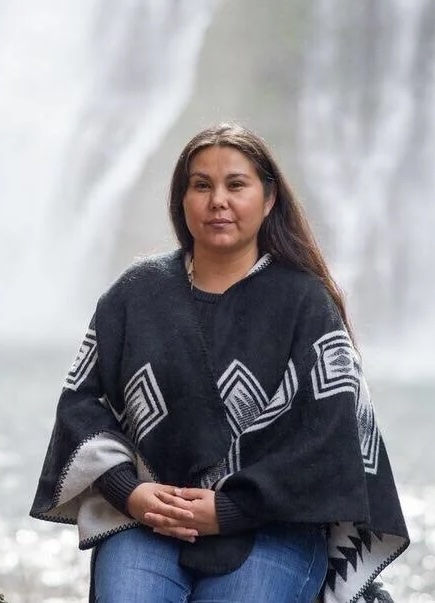
Morning Star Gali is a lifelong community organizer and Indigenous rights advocate from the Ajumawi band of the Pit River Tribe in Northeastern California. She is the Founder and Executive Director of Indigenous Justice, a grassroots organization advancing Indigenous self-determination, healing justice, and transformative policy rooted in the leadership of Native women, youth, and Two-Spirit relatives and in partnership with California Tribes and Tribal and Intertribal organizations.
Her work spans MMIP advocacy, environmental and climate justice, gender justice, youth empowerment, and the protection of sacred places, always rooted in culturally based healing and that visibility is a form of justice for California Indian and all Indigenous Peoples.
Her work spans MMIP advocacy, environmental and climate justice, gender justice, youth empowerment, and the protection of sacred places, always rooted in culturally based healing and that visibility is a form of justice for California Indian and all Indigenous Peoples.

In the press
Capitol Alert - Sacramento
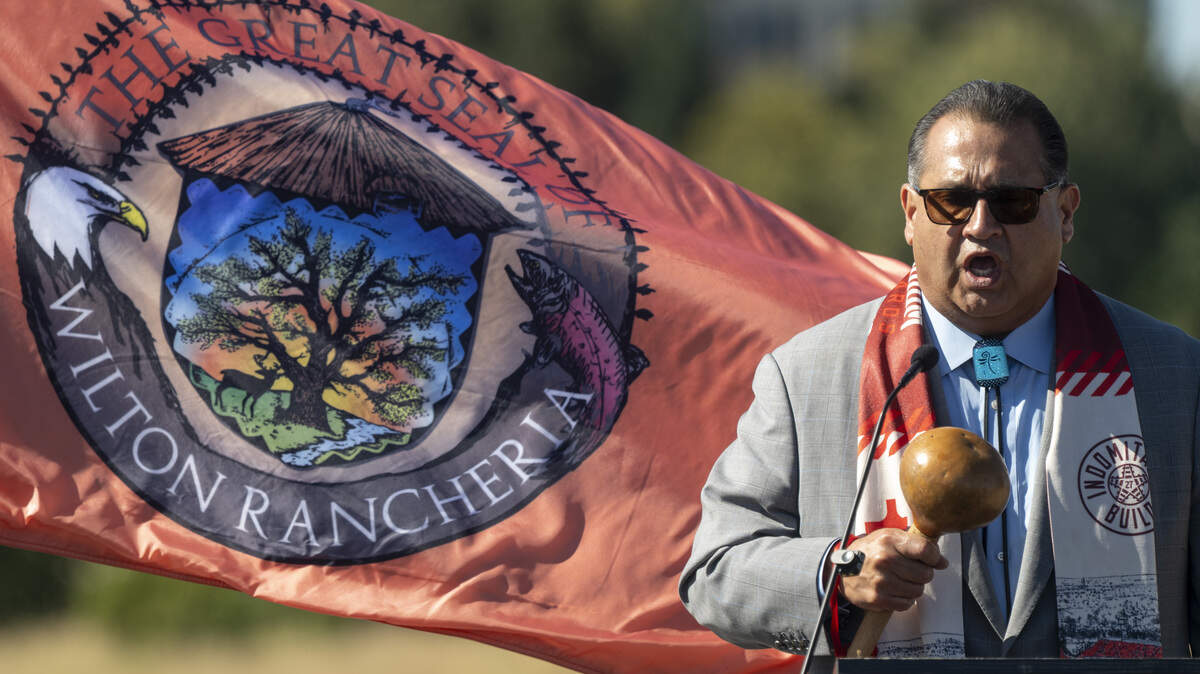
Ramos’ California Indian Freedom Act draws opposition from business, utility groups
Read more hereGet in touch
Thank you! Your submission has been received!
Oops! Something went wrong while submitting the form.

